IBPS Clerk - Prelims Quantitative Aptitude — Previous Year Questions
270 Quantitative Aptitude questions asked in past IBPS Clerk - Prelims papers, split into 27 timed practice sets — every question with its answer and explanation.
About IBPS Clerk - Prelims Quantitative Aptitude previous year questions
Quantitative Aptitude PYQs asked in IBPS Clerk - Prelims
A sample of 30 questions from the full bank of 270. Try each one before opening the solution — the remaining questions are in the timed practice sets below.
Q1.(Question text unavailable — see source paper)

- A.516
- B.816
- C.616
- D.716
- E.916
Show answer
Answer: D. 716
Q2.(Question text unavailable — see source paper)

- A.100
- B.300
- C.600
- D.150
- E.160
Show answer
Answer: B. 300
Q3.(Question text unavailable — see source paper)

- A.35
- B.30
- C.48
- D.40
- E.50
Show answer
Answer: D. 40
Q4.(Question text unavailable — see source paper)

- A.4
- B.3
- C.2
- D.5
- E.6
Show answer
Answer: A. 4
Q5.(Question text unavailable — see source paper)

- A.95
- B.85
- C.105
- D.75
- E.65
Show answer
Answer: A. 95
Q6.(Question text unavailable — see source paper)

- A.182.4
- B.184.4
- C.186.4
- D.188.4
- E.192.4
Show answer
Answer: A. 182.4
Q7.(Question text unavailable — see source paper)
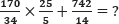
- A.78
- B.72
- C.84
- D.80
- E.79
Show answer
Answer: A. 78
Q8.(Question text unavailable — see source paper)

- A.(option unavailable)
- B.(option unavailable)
- C.(option unavailable)
- D.(option unavailable)
- E.
Show answer
Answer: D. (option unavailable)
Q9.(Question text unavailable — see source paper)

- A.895
- B.885
- C.865
- D.875
- E.855
Show answer
Answer: C. 865
Q10.(Question text unavailable — see source paper)

- A.24
- B.12
- C.15
- D.22
- E.20
Show answer
Answer: E. 20
Q11.Directions (79-84): In the following passage there are blanks, each of which has been numbered. These numbers are printed below the passage and against each, five options are given. Find out the appropriate word which fits the blank appropriately to make a grammatically and contextually correct sentence. Two decades have passed since the mid-day meal became a part of the daily routine in government schools nationwide. In this long passage of time, procedures have (79) but accidents continue to occur. Funds from the Centre flow smoothly though procurement of food items faces hurdles of different kinds. The latest (80) in mid-meal stories concerns milk. Government norms entitle every child to receive 150 ml of milk as part of the mid-day meal. However, a video revealed recently how one litre of milk was mixed in a bucketful of water so that it would (81) for the more than 80 children present that day in a school in rural Uttar Pradesh (U.P.). This was somewhat similar to the one reported from U.P. a couple of months ago. In the earlier incident, a video showed plain chapatis being served with salt. The two videos made it to the national media; they also proved useful for the officers who (82) the mid-day meal scheme since they also depend on unauthorised videographers to learn about the reality in schools. Each such revelation leads to the same (83) official statement: punish the guilty, locate the video-maker and deal with him/her. In the latest mid-meal story narrated above, authorities in U.P. have reportedly done the (84) needful, i.e. they have fired the apparent culprit who is a para-teacher.
- A.Balances
- B.Stabilized
- C.Persistent
- D.Stabilizing
- E.None of these.
Show answer
Answer: E. None of these.
Q12.Directions (85-89): Each question below has one blank, which is indicating that something has been omitted. Choose the most suitable option indicating the words that can be used to fill up the blank in the sentence to make it meaningfully complete. Maharashtra has been into a new party system over the past few years, with the BJP trying hard to replace the Congress as the dominant party in the State. Investigated Transitioning Framing Only (i) Only (ii) Both (ii) and (iii) Both (i) and (ii) None of these. The theme song of Downton Abbey along with a panoramic shot of the imposing monarchic structure is enough to memories. Evoke Recall Sent Only (i) Only (ii) Both (ii) and (iii) Both (i) and (ii) None of these. With tomato and onion prices continuing to soar, the Centre is considering a to increase cultivation of these staple vegetables in the north Indian region. Proposal Role Novel Only (i) Only (ii) Both (ii) and (iii) Both (i) and (ii) None of these. The Railways will speed up trains to reduce running time and maximise of infrastructure across its network. Collecting Effectiveness Utilisation Only (i) Only (ii) Both (ii) and (iii) Both (i) and (ii) None of these. There could be more interest rate by the RBI as some of the members of the monetary policy committee have observed that growth is yet to bottom out Increment Cuts Growths Only (i) Only (ii) Both (ii) and (iii) Both (i) and (ii) None of these. Directions (90-94): In each of the questions given below four words are given in bold. These four words may or may not be in their correct position. The sentence is then followed by options with the correct combination of words that should replace each other in order to make the sentence grammatically and contextually correct. Find the correct combination of the words that replace each other. If the sentence is correct as it then select option (e) as your choice. Today, thermal accounts (A) capacity generation (B) for about two-thirds the installed(C) generation capacity(D) in the country.
- A.A-B
- B.A-C
- C.B-D
- D.C-D
- E.The sentence is correct
Show answer
Answer: C. B-D
Q13.Directions (85-89): Each question below has one blank, which is indicating that something has been omitted. Choose the most suitable option indicating the words that can be used to fill up the blank in the sentence to make it meaningfully complete. Maharashtra has been into a new party system over the past few years, with the BJP trying hard to replace the Congress as the dominant party in the State. Investigated Transitioning Framing Only (i) Only (ii) Both (ii) and (iii) Both (i) and (ii) None of these. The theme song of Downton Abbey along with a panoramic shot of the imposing monarchic structure is enough to memories. Evoke Recall Sent Only (i) Only (ii) Both (ii) and (iii) Both (i) and (ii) None of these. With tomato and onion prices continuing to soar, the Centre is considering a to increase cultivation of these staple vegetables in the north Indian region. Proposal Role Novel Only (i) Only (ii) Both (ii) and (iii) Both (i) and (ii) None of these. The Railways will speed up trains to reduce running time and maximise of infrastructure across its network. Collecting Effectiveness Utilisation Only (i) Only (ii) Both (ii) and (iii) Both (i) and (ii) None of these. There could be more interest rate by the RBI as some of the members of the monetary policy committee have observed that growth is yet to bottom out Increment Cuts Growths Only (i) Only (ii) Both (ii) and (iii) Both (i) and (ii) None of these. Directions (90-94): In each of the questions given below four words are given in bold. These four words may or may not be in their correct position. The sentence is then followed by options with the correct combination of words that should replace each other in order to make the sentence grammatically and contextually correct. Find the correct combination of the words that replace each other. If the sentence is correct as it then select option (e) as your choice. Today, thermal accounts (A) capacity generation (B) for about two-thirds the installed(C) generation capacity(D) in the country. The IMF followed(A) the World Bank in reducing(B) its forecast for India’s economic(C) growth in the current financial(D) year.
- A.A-B
- B.A-C
- C.B-D
- D.C-D
- E.The sentence is correct
Show answer
Answer: D. C-D
Q14.Directions (85-89): Each question below has one blank, which is indicating that something has been omitted. Choose the most suitable option indicating the words that can be used to fill up the blank in the sentence to make it meaningfully complete. Maharashtra has been into a new party system over the past few years, with the BJP trying hard to replace the Congress as the dominant party in the State. Investigated Transitioning Framing Only (i) Only (ii) Both (ii) and (iii) Both (i) and (ii) None of these. The theme song of Downton Abbey along with a panoramic shot of the imposing monarchic structure is enough to memories. Evoke Recall Sent Only (i) Only (ii) Both (ii) and (iii) Both (i) and (ii) None of these. With tomato and onion prices continuing to soar, the Centre is considering a to increase cultivation of these staple vegetables in the north Indian region. Proposal Role Novel Only (i) Only (ii) Both (ii) and (iii) Both (i) and (ii) None of these. The Railways will speed up trains to reduce running time and maximise of infrastructure across its network. Collecting Effectiveness Utilisation Only (i) Only (ii) Both (ii) and (iii) Both (i) and (ii) None of these. There could be more interest rate by the RBI as some of the members of the monetary policy committee have observed that growth is yet to bottom out Increment Cuts Growths Only (i) Only (ii) Both (ii) and (iii) Both (i) and (ii) None of these. Directions (90-94): In each of the questions given below four words are given in bold. These four words may or may not be in their correct position. The sentence is then followed by options with the correct combination of words that should replace each other in order to make the sentence grammatically and contextually correct. Find the correct combination of the words that replace each other. If the sentence is correct as it then select option (e) as your choice. Today, thermal accounts (A) capacity generation (B) for about two-thirds the installed(C) generation capacity(D) in the country. In pursuit (A) of novel ways to draw caught (B) to the Big Prize, the Academy(C) seems to have been attention (D) on the wrong foot again.
- A.A-B
- B.A-C
- C.B-D
- D.C-B
- E.The sentence is correct
Show answer
Answer: B. A-C
Q15.Directions (85-89): Each question below has one blank, which is indicating that something has been omitted. Choose the most suitable option indicating the words that can be used to fill up the blank in the sentence to make it meaningfully complete. Maharashtra has been into a new party system over the past few years, with the BJP trying hard to replace the Congress as the dominant party in the State. Investigated Transitioning Framing Only (i) Only (ii) Both (ii) and (iii) Both (i) and (ii) None of these. The theme song of Downton Abbey along with a panoramic shot of the imposing monarchic structure is enough to memories. Evoke Recall Sent Only (i) Only (ii) Both (ii) and (iii) Both (i) and (ii) None of these. With tomato and onion prices continuing to soar, the Centre is considering a to increase cultivation of these staple vegetables in the north Indian region. Proposal Role Novel Only (i) Only (ii) Both (ii) and (iii) Both (i) and (ii) None of these. The Railways will speed up trains to reduce running time and maximise of infrastructure across its network. Collecting Effectiveness Utilisation Only (i) Only (ii) Both (ii) and (iii) Both (i) and (ii) None of these. There could be more interest rate by the RBI as some of the members of the monetary policy committee have observed that growth is yet to bottom out Increment Cuts Growths Only (i) Only (ii) Both (ii) and (iii) Both (i) and (ii) None of these. Directions (90-94): In each of the questions given below four words are given in bold. These four words may or may not be in their correct position. The sentence is then followed by options with the correct combination of words that should replace each other in order to make the sentence grammatically and contextually correct. Find the correct combination of the words that replace each other. If the sentence is correct as it then select option (e) as your choice. Today, thermal accounts (A) capacity generation (B) for about two-thirds the installed(C) generation capacity(D) in the country. With power (A) growth, the demand(B) for economic (C) in India is only going to increase(D) further.
- A.A-B
- B.A-C
- C.B-D
- D.C-D
- E.The sentence is correct
Show answer
Answer: E. The sentence is correct
Q16.Directions (85-89): Each question below has one blank, which is indicating that something has been omitted. Choose the most suitable option indicating the words that can be used to fill up the blank in the sentence to make it meaningfully complete. Maharashtra has been into a new party system over the past few years, with the BJP trying hard to replace the Congress as the dominant party in the State. Investigated Transitioning Framing Only (i) Only (ii) Both (ii) and (iii) Both (i) and (ii) None of these. The theme song of Downton Abbey along with a panoramic shot of the imposing monarchic structure is enough to memories. Evoke Recall Sent Only (i) Only (ii) Both (ii) and (iii) Both (i) and (ii) None of these. With tomato and onion prices continuing to soar, the Centre is considering a to increase cultivation of these staple vegetables in the north Indian region. Proposal Role Novel Only (i) Only (ii) Both (ii) and (iii) Both (i) and (ii) None of these. The Railways will speed up trains to reduce running time and maximise of infrastructure across its network. Collecting Effectiveness Utilisation Only (i) Only (ii) Both (ii) and (iii) Both (i) and (ii) None of these. There could be more interest rate by the RBI as some of the members of the monetary policy committee have observed that growth is yet to bottom out Increment Cuts Growths Only (i) Only (ii) Both (ii) and (iii) Both (i) and (ii) None of these. Directions (90-94): In each of the questions given below four words are given in bold. These four words may or may not be in their correct position. The sentence is then followed by options with the correct combination of words that should replace each other in order to make the sentence grammatically and contextually correct. Find the correct combination of the words that replace each other. If the sentence is correct as it then select option (e) as your choice. Today, thermal accounts (A) capacity generation (B) for about two-thirds the installed(C) generation capacity(D) in the country. The Air Quality Index of Delhi worsened(A) slightly and expected (B) in the “poor” category and is stayed (C) to further deteriorate(D) from the last week of the month.
- A.A-B
- B.A-C
- C.B-C
- D.C-D
- E.The sentence is correct
Show answer
Answer: A. A-B
Q17.Direction (95-100): The following questions consist of a sentence. Four of the words of the sentences are marked in bold, which may or may not be correctly spelled. Option corresponding to misspelt word is your answer. If there is no misspelled word in the sentence then choose (d), i.e., ‘All are correct’ as your answer. Education, for most of us, is a necessary public good central to the task of nation building and, like fresh air, is neccessary to make our communities come alive.
- A.Education
- B.Building
- C.Neccessary
- D.Communities
- E.All are correct
Show answer
Answer: C. Neccessary
Q18.Direction (95-100): The following questions consist of a sentence. Four of the words of the sentences are marked in bold, which may or may not be correctly spelled. Option corresponding to misspelt word is your answer. If there is no misspelled word in the sentence then choose (d), i.e., ‘All are correct’ as your answer. Education, for most of us, is a necessary public good central to the task of nation building and, like fresh air, is neccessary to make our communities come alive. The Budget’s provisons for collecting more in taxes from the incomes of the super-rich were aimed at redistributing wealth to bring about more equitable development.
- A.Provisons
- B.Incomes
- C.Redistributing
- D.Equitable
- E.All are correct
Show answer
Answer: D. Equitable
Q19.Direction (95-100): The following questions consist of a sentence. Four of the words of the sentences are marked in bold, which may or may not be correctly spelled. Option corresponding to misspelt word is your answer. If there is no misspelled word in the sentence then choose (d), i.e., ‘All are correct’ as your answer. Education, for most of us, is a necessary public good central to the task of nation building and, like fresh air, is neccessary to make our communities come alive. Ideas rejected more than two decades ago during the liberalisaetion phase are back in circulation. Rejected Decades Liberalisaetion Circulation All are correct The proposal to establish a National Research Foundation, with an “overarching goal to enable a culture of research to permeate through our universities” needs to be applauded and widely supported.
- A.Establish
- B.Overarching
- C.Permeate
- D.Applauded
- E.All are correct
Show answer
Answer: C. Permeate
Q20.Direction (95-100): The following questions consist of a sentence. Four of the words of the sentences are marked in bold, which may or may not be correctly spelled. Option corresponding to misspelt word is your answer. If there is no misspelled word in the sentence then choose (d), i.e., ‘All are correct’ as your answer. Education, for most of us, is a necessary public good central to the task of nation building and, like fresh air, is neccessary to make our communities come alive. Policymaking has three essenteal ingredients: technical elements, administrative inputs and political goals and packaging. Policymaking Essenteal Administrative Packaging All are correct The Central Bureou of Investigation has set up an Online Child Sexual Abuse and Exploitation Prevention/Investigation Unit.
- A.Bureou
- B.Abuse
- C.Exploitation
- D.Investigation
- E.All are correct
Show answer
Answer: A. Bureou
Q21.Directions (30-33): These questions are based on the following arrangement. Study the arrangement carefully to answer these questions. R Q D 8 H 9 L O P T E F M 6 I A 7 J 5 4 B U 2 G (d) 16 2 hours (e) 13 1 hours 3 3 Directions (61-65): Find the wrong number in the C is 100% more efficient than B. A alone can complete a piece of work in 9 days and B & C together can complete the same work in 2 2 days. Find what portion 3 of work will be completed, if A & B works together for 4 days. following number series. 2, 3, 6, 15, 45, 156.5, 630
- A.2
- B.15
- C.3
- D.156.5
- E.630
Show answer
Answer: D. 156.5
Q22.Directions (30-33): These questions are based on the following arrangement. Study the arrangement carefully to answer these questions. R Q D 8 H 9 L O P T E F M 6 I A 7 J 5 4 B U 2 G 36, 20, 12, 8, 6, 5.5, 4.5 (a) 13 18 (d) 2 3 (b) 8 9 (e) 17 18 (c) 5 6
- A.8
- B.36
- C.5.5
- D.4.5
- E.6
Show answer
Answer: A. 8
Q23.Directions (56–60): Solve the following quadratic equation and mark the answer as per instructions. I. x2 − 2x − 143 = 0 II. y2 − 169 = 0 x > y x < y x ≤ y x ≥ y x = y or no relation can be established I. x2 − 7x − 18 = 0 II. y2 − 19y + 90 = 0 x ≤ y x = y or no relation can be established x > y x ≥ y x < y I. 2x2 + 5x + 3 = 0 II. y2 + 4y − 12 = 0 x ≤ y x > y x = y or no relation can be established x < y x ≥ y I. 9x + 3y = 15 II. 4x + 5y = 14 x = y or no relation can be established x > y x ≤ y x < y x ≥ y
- A.31
- B.3
- C.1
- D.3913
- E.128
Show answer
Answer: E. 128
Q24.Directions (56–60): Solve the following quadratic equation and mark the answer as per instructions. I. x2 − 2x − 143 = 0 II. y2 − 169 = 0 x > y x < y x ≤ y x ≥ y x = y or no relation can be established I. x2 − 7x − 18 = 0 II. y2 − 19y + 90 = 0 x ≤ y x = y or no relation can be established x > y x ≥ y x < y I. 2x2 + 5x + 3 = 0 II. y2 + 4y − 12 = 0 x ≤ y x > y x = y or no relation can be established x < y x ≥ y I. 9x + 3y = 15 II. 4x + 5y = 14 x = y or no relation can be established x > y x ≤ y x < y x ≥ y 64. 2, 3, 10, 40, 172, 885, 5346
- A.40
- B.885
- C.172
- D.3
- E.10
Show answer
Answer: D. 3
Q25.Directions (56–60): Solve the following quadratic equation and mark the answer as per instructions. I. x2 − 2x − 143 = 0 II. y2 − 169 = 0 x > y x < y x ≤ y x ≥ y x = y or no relation can be established I. x2 − 7x − 18 = 0 II. y2 − 19y + 90 = 0 x ≤ y x = y or no relation can be established x > y x ≥ y x < y I. 2x2 + 5x + 3 = 0 II. y2 + 4y − 12 = 0 x ≤ y x > y x = y or no relation can be established x < y x ≥ y I. 9x + 3y = 15 II. 4x + 5y = 14 x = y or no relation can be established x > y x ≤ y x < y x ≥ y 65. 5, 8, 16, 26, 50, 98, 194
- A.5
- B.194
- C.8
- D.16
- E.98
Show answer
Answer: A. 5
Q26.Directions (56–60): Solve the following quadratic equation and mark the answer as per instructions. I. x2 − 2x − 143 = 0 II. y2 − 169 = 0 x > y x < y x ≤ y x ≥ y x = y or no relation can be established I. x2 − 7x − 18 = 0 II. y2 − 19y + 90 = 0 x ≤ y x = y or no relation can be established x > y x ≥ y x < y I. 2x2 + 5x + 3 = 0 II. y2 + 4y − 12 = 0 x ≤ y x > y x = y or no relation can be established x < y x ≥ y I. 9x + 3y = 15 II. 4x + 5y = 14 x = y or no relation can be established x > y x ≤ y x < y x ≥ y A rectangular path of width 3m is surrounding the garden whose length is 3m more than its width. If cost of painting the path at rate of 0.5Rs/m² is Rs 273 then find the area of garden
- A.1525m²
- B.1804 m²
- C.1776 m²
- D.1906 m²
- E.1664 m²
Show answer
Answer: A. 1525m²
Q27.Directions (71-78): Read the following passage carefully and answer the questions given below them. Animals of all sorts live together in various ecosystems. Within these natural communities, the animals eat specific diets that connect them together in a food chain. The three diets of animals include creatures that eat only plants, those that eat only meat, and animals that eat both plants and meat. Animals that eat plants exclusively are herbivores, and animals that eat only meat are carnivores. When animals eat both plants and meat, they are called omnivores. The balance of an ecosystem depends on the presence of every type of animal. If one type of animal becomes too numerous or scarce, the entire balance of the ecosystem will change. Carnivores will feed on herbivores, omnivores, and other carnivores in an ecosystem. A natural community depends on the presence of carnivores to control the populations of other animals. Large carnivores include wolves and mountain lions. A large carnivore might hunt down large herbivores such as elk and deer. Medium-sized carnivores include hawks and snakes, and these animals typically feed on rodents, birds, eggs, frogs, and insects. Examples of small carnivores include some smaller birds and toads. These carnivores may eat insects and worms. Carnivorous animals have strong jaws and sharp teeth to enable them to tear and rip prey. These animals often have long, sharp claws that they also use to tear prey. Carnivores depend on sufficient prey in the food chain to give them the food they need. If the herbivore population or the population of other carnivores declines in an ecosystem, carnivores may not survive. With a diet comprised of only plants, herbivores can be surprisingly large animals. Examples of large herbivores include cows, elk, and buffalo. These animals eat grass, tree bark, aquatic vegetation, and shrubby growth. Herbivores can also be medium-sized animals such as sheep and goats, which eat shrubby vegetation and grasses. Small herbivores include rabbits, chipmunks, squirrels, and mice. These animals eat grass, shrubs, seeds, and nuts. An ecosystem must provide (1) plants to sustain herbivores, and many of them spend the majority of their lives eating to stay alive. If plant availability declines, herbivores may not have enough to eat. This could cause a decline in herbivore numbers, which would also impact carnivores. Herbivores usually have special biological systems to digest a variety of different plants. Their teeth also have special designs that enable them to rip off the plants and then grind them up with flat molars. Omnivores have an advantage in an ecosystem because their diet is the most diverse. These animals can vary their diet depending on the food that is most plentiful, sometimes eating plants and other times eating meat. Herbivores have different digestive systems than omnivores, so omnivores usually cannot eat all of the plants that an herbivore can. Generally, omnivores eat fruits and vegetables freely, but they can’t eat grasses and some grains due to digestive limitations. Omnivores will also hunt both carnivores and herbivores for meat, including small mammals, reptiles, and insects. Large omnivores include bears and humans. Examples of medium-sized omnivores include raccoons and pigs. Small omnivores include some fish and insects such as flies. Omnivore teeth often resemble carnivore teeth because of the need for tearing meat. Omnivores also have flat molars for grinding up food.
- A.Their diet include only vegetation
- B.Their survival depends upon abundant plants
- C.A major part of herbivores’ life is spent on eating
- D.They have a digestive system suitable to digest diverse kind of plants
- E.All of the above
Show answer
Answer: D. They have a digestive system suitable to digest diverse kind of plants
Q28.Directions (71-78): Read the following passage carefully and answer the questions given below them. Animals of all sorts live together in various ecosystems. Within these natural communities, the animals eat specific diets that connect them together in a food chain. The three diets of animals include creatures that eat only plants, those that eat only meat, and animals that eat both plants and meat. Animals that eat plants exclusively are herbivores, and animals that eat only meat are carnivores. When animals eat both plants and meat, they are called omnivores. The balance of an ecosystem depends on the presence of every type of animal. If one type of animal becomes too numerous or scarce, the entire balance of the ecosystem will change. Carnivores will feed on herbivores, omnivores, and other carnivores in an ecosystem. A natural community depends on the presence of carnivores to control the populations of other animals. Large carnivores include wolves and mountain lions. A large carnivore might hunt down large herbivores such as elk and deer. Medium-sized carnivores include hawks and snakes, and these animals typically feed on rodents, birds, eggs, frogs, and insects. Examples of small carnivores include some smaller birds and toads. These carnivores may eat insects and worms. Carnivorous animals have strong jaws and sharp teeth to enable them to tear and rip prey. These animals often have long, sharp claws that they also use to tear prey. Carnivores depend on sufficient prey in the food chain to give them the food they need. If the herbivore population or the population of other carnivores declines in an ecosystem, carnivores may not survive. With a diet comprised of only plants, herbivores can be surprisingly large animals. Examples of large herbivores include cows, elk, and buffalo. These animals eat grass, tree bark, aquatic vegetation, and shrubby growth. Herbivores can also be medium-sized animals such as sheep and goats, which eat shrubby vegetation and grasses. Small herbivores include rabbits, chipmunks, squirrels, and mice. These animals eat grass, shrubs, seeds, and nuts. An ecosystem must provide (1) plants to sustain herbivores, and many of them spend the majority of their lives eating to stay alive. If plant availability declines, herbivores may not have enough to eat. This could cause a decline in herbivore numbers, which would also impact carnivores. Herbivores usually have special biological systems to digest a variety of different plants. Their teeth also have special designs that enable them to rip off the plants and then grind them up with flat molars. Omnivores have an advantage in an ecosystem because their diet is the most diverse. These animals can vary their diet depending on the food that is most plentiful, sometimes eating plants and other times eating meat. Herbivores have different digestive systems than omnivores, so omnivores usually cannot eat all of the plants that an herbivore can. Generally, omnivores eat fruits and vegetables freely, but they can’t eat grasses and some grains due to digestive limitations. Omnivores will also hunt both carnivores and herbivores for meat, including small mammals, reptiles, and insects. Large omnivores include bears and humans. Examples of medium-sized omnivores include raccoons and pigs. Small omnivores include some fish and insects such as flies. Omnivore teeth often resemble carnivore teeth because of the need for tearing meat. Omnivores also have flat molars for grinding up food. Why Omnivores are said to have an advantage? Diverse diet Both (a) and (c) Diet depends upon food which is available in plentiful amount. Only (a) Only (c) Which is the following can fill the blank (1) as given in the passage, to make the sentence grammatically and contextually correct?
- A.Largely
- B.Abundant
- C.Diversity
- D.Quite
- E.None of these.
Show answer
Answer: E. None of these.
Q29.Directions (71-78): Read the following passage carefully and answer the questions given below them. Animals of all sorts live together in various ecosystems. Within these natural communities, the animals eat specific diets that connect them together in a food chain. The three diets of animals include creatures that eat only plants, those that eat only meat, and animals that eat both plants and meat. Animals that eat plants exclusively are herbivores, and animals that eat only meat are carnivores. When animals eat both plants and meat, they are called omnivores. The balance of an ecosystem depends on the presence of every type of animal. If one type of animal becomes too numerous or scarce, the entire balance of the ecosystem will change. Carnivores will feed on herbivores, omnivores, and other carnivores in an ecosystem. A natural community depends on the presence of carnivores to control the populations of other animals. Large carnivores include wolves and mountain lions. A large carnivore might hunt down large herbivores such as elk and deer. Medium-sized carnivores include hawks and snakes, and these animals typically feed on rodents, birds, eggs, frogs, and insects. Examples of small carnivores include some smaller birds and toads. These carnivores may eat insects and worms. Carnivorous animals have strong jaws and sharp teeth to enable them to tear and rip prey. These animals often have long, sharp claws that they also use to tear prey. Carnivores depend on sufficient prey in the food chain to give them the food they need. If the herbivore population or the population of other carnivores declines in an ecosystem, carnivores may not survive. With a diet comprised of only plants, herbivores can be surprisingly large animals. Examples of large herbivores include cows, elk, and buffalo. These animals eat grass, tree bark, aquatic vegetation, and shrubby growth. Herbivores can also be medium-sized animals such as sheep and goats, which eat shrubby vegetation and grasses. Small herbivores include rabbits, chipmunks, squirrels, and mice. These animals eat grass, shrubs, seeds, and nuts. An ecosystem must provide (1) plants to sustain herbivores, and many of them spend the majority of their lives eating to stay alive. If plant availability declines, herbivores may not have enough to eat. This could cause a decline in herbivore numbers, which would also impact carnivores. Herbivores usually have special biological systems to digest a variety of different plants. Their teeth also have special designs that enable them to rip off the plants and then grind them up with flat molars. Omnivores have an advantage in an ecosystem because their diet is the most diverse. These animals can vary their diet depending on the food that is most plentiful, sometimes eating plants and other times eating meat. Herbivores have different digestive systems than omnivores, so omnivores usually cannot eat all of the plants that an herbivore can. Generally, omnivores eat fruits and vegetables freely, but they can’t eat grasses and some grains due to digestive limitations. Omnivores will also hunt both carnivores and herbivores for meat, including small mammals, reptiles, and insects. Large omnivores include bears and humans. Examples of medium-sized omnivores include raccoons and pigs. Small omnivores include some fish and insects such as flies. Omnivore teeth often resemble carnivore teeth because of the need for tearing meat. Omnivores also have flat molars for grinding up food. Which of the following words is most similar in meaning as BALANCE, highlighted in the given passage?
- A.Affecting
- B.Poignant
- C.Equilibrium
- D.Considerate
- E.None of these.
Show answer
Answer: C. Equilibrium
Q30.Directions (71-78): Read the following passage carefully and answer the questions given below them. Animals of all sorts live together in various ecosystems. Within these natural communities, the animals eat specific diets that connect them together in a food chain. The three diets of animals include creatures that eat only plants, those that eat only meat, and animals that eat both plants and meat. Animals that eat plants exclusively are herbivores, and animals that eat only meat are carnivores. When animals eat both plants and meat, they are called omnivores. The balance of an ecosystem depends on the presence of every type of animal. If one type of animal becomes too numerous or scarce, the entire balance of the ecosystem will change. Carnivores will feed on herbivores, omnivores, and other carnivores in an ecosystem. A natural community depends on the presence of carnivores to control the populations of other animals. Large carnivores include wolves and mountain lions. A large carnivore might hunt down large herbivores such as elk and deer. Medium-sized carnivores include hawks and snakes, and these animals typically feed on rodents, birds, eggs, frogs, and insects. Examples of small carnivores include some smaller birds and toads. These carnivores may eat insects and worms. Carnivorous animals have strong jaws and sharp teeth to enable them to tear and rip prey. These animals often have long, sharp claws that they also use to tear prey. Carnivores depend on sufficient prey in the food chain to give them the food they need. If the herbivore population or the population of other carnivores declines in an ecosystem, carnivores may not survive. With a diet comprised of only plants, herbivores can be surprisingly large animals. Examples of large herbivores include cows, elk, and buffalo. These animals eat grass, tree bark, aquatic vegetation, and shrubby growth. Herbivores can also be medium-sized animals such as sheep and goats, which eat shrubby vegetation and grasses. Small herbivores include rabbits, chipmunks, squirrels, and mice. These animals eat grass, shrubs, seeds, and nuts. An ecosystem must provide (1) plants to sustain herbivores, and many of them spend the majority of their lives eating to stay alive. If plant availability declines, herbivores may not have enough to eat. This could cause a decline in herbivore numbers, which would also impact carnivores. Herbivores usually have special biological systems to digest a variety of different plants. Their teeth also have special designs that enable them to rip off the plants and then grind them up with flat molars. Omnivores have an advantage in an ecosystem because their diet is the most diverse. These animals can vary their diet depending on the food that is most plentiful, sometimes eating plants and other times eating meat. Herbivores have different digestive systems than omnivores, so omnivores usually cannot eat all of the plants that an herbivore can. Generally, omnivores eat fruits and vegetables freely, but they can’t eat grasses and some grains due to digestive limitations. Omnivores will also hunt both carnivores and herbivores for meat, including small mammals, reptiles, and insects. Large omnivores include bears and humans. Examples of medium-sized omnivores include raccoons and pigs. Small omnivores include some fish and insects such as flies. Omnivore teeth often resemble carnivore teeth because of the need for tearing meat. Omnivores also have flat molars for grinding up food. Which of the following words is most opposite in meaning with SUFFICIENT, highlighted in the given passage?
- A.Inadequate
- B.Ample
- C.Plenty
- D.Enough
- E.None of these.
Show answer
Answer: D. Enough
Keep going
Frequently Asked Questions
How many IBPS Clerk - Prelims Quantitative Aptitude previous year questions are available?
270 Quantitative Aptitude questions from past IBPS Clerk - Prelims papers are available on AajExam, split into 27 practice sets. New questions are added as fresh papers are released.
Are the answers and explanations free?
Yes. Every question on this page shows its correct answer and explanation free of charge, and you do not need an account to read them. A free account only adds attempt tracking and performance analytics.
Do IBPS Clerk - Prelims repeat questions from previous years?
Exact repeats do occur, but the more reliable pattern is conceptual: the same Quantitative Aptitude sub-topics reappear cycle after cycle with reworded questions. That is why working through past questions raises your score more reliably than reading theory alone.
How should I use these questions in my IBPS Clerk - Prelims preparation?
Attempt a set of ten cold, review every wrong and guessed question with its explanation, then drill the weak sub-topic on its topic page before moving on. Revisit the same set after a few days — your second-attempt accuracy is the honest measure of whether the concept stuck.
IBPS Clerk - Prelims Quantitative Aptitude practice sets
Each set is a timed 10-question drill drawn from the same question bank.
- IBPS Clerk - Prelims - Quantitative Aptitude PYQ Quiz 14
- IBPS Clerk - Prelims - Quantitative Aptitude PYQ Quiz 27
- IBPS Clerk - Prelims - Quantitative Aptitude PYQ Quiz 26
- IBPS Clerk - Prelims - Quantitative Aptitude PYQ Quiz 25
- IBPS Clerk - Prelims - Quantitative Aptitude PYQ Quiz 24
- IBPS Clerk - Prelims - Quantitative Aptitude PYQ Quiz 23
- IBPS Clerk - Prelims - Quantitative Aptitude PYQ Quiz 22
- IBPS Clerk - Prelims - Quantitative Aptitude PYQ Quiz 21
- IBPS Clerk - Prelims - Quantitative Aptitude PYQ Quiz 20
- IBPS Clerk - Prelims - Quantitative Aptitude PYQ Quiz 19
- IBPS Clerk - Prelims - Quantitative Aptitude PYQ Quiz 18
- IBPS Clerk - Prelims - Quantitative Aptitude PYQ Quiz 17
- IBPS Clerk - Prelims - Quantitative Aptitude PYQ Quiz 16
- IBPS Clerk - Prelims - Quantitative Aptitude PYQ Quiz 15
- IBPS Clerk - Prelims - Quantitative Aptitude PYQ Quiz 1
- IBPS Clerk - Prelims - Quantitative Aptitude PYQ Quiz 13
- IBPS Clerk - Prelims - Quantitative Aptitude PYQ Quiz 12
- IBPS Clerk - Prelims - Quantitative Aptitude PYQ Quiz 11
- IBPS Clerk - Prelims - Quantitative Aptitude PYQ Quiz 10
- IBPS Clerk - Prelims - Quantitative Aptitude PYQ Quiz 9
- IBPS Clerk - Prelims - Quantitative Aptitude PYQ Quiz 8
- IBPS Clerk - Prelims - Quantitative Aptitude PYQ Quiz 7
- IBPS Clerk - Prelims - Quantitative Aptitude PYQ Quiz 6
- IBPS Clerk - Prelims - Quantitative Aptitude PYQ Quiz 5
- IBPS Clerk - Prelims - Quantitative Aptitude PYQ Quiz 4
- IBPS Clerk - Prelims - Quantitative Aptitude PYQ Quiz 3
- IBPS Clerk - Prelims - Quantitative Aptitude PYQ Quiz 2